Keep the line moving through the rush.
Pour your highest-demand cocktails as fast as a beer: same spec, every shift, by anyone behind the bar.
The problem
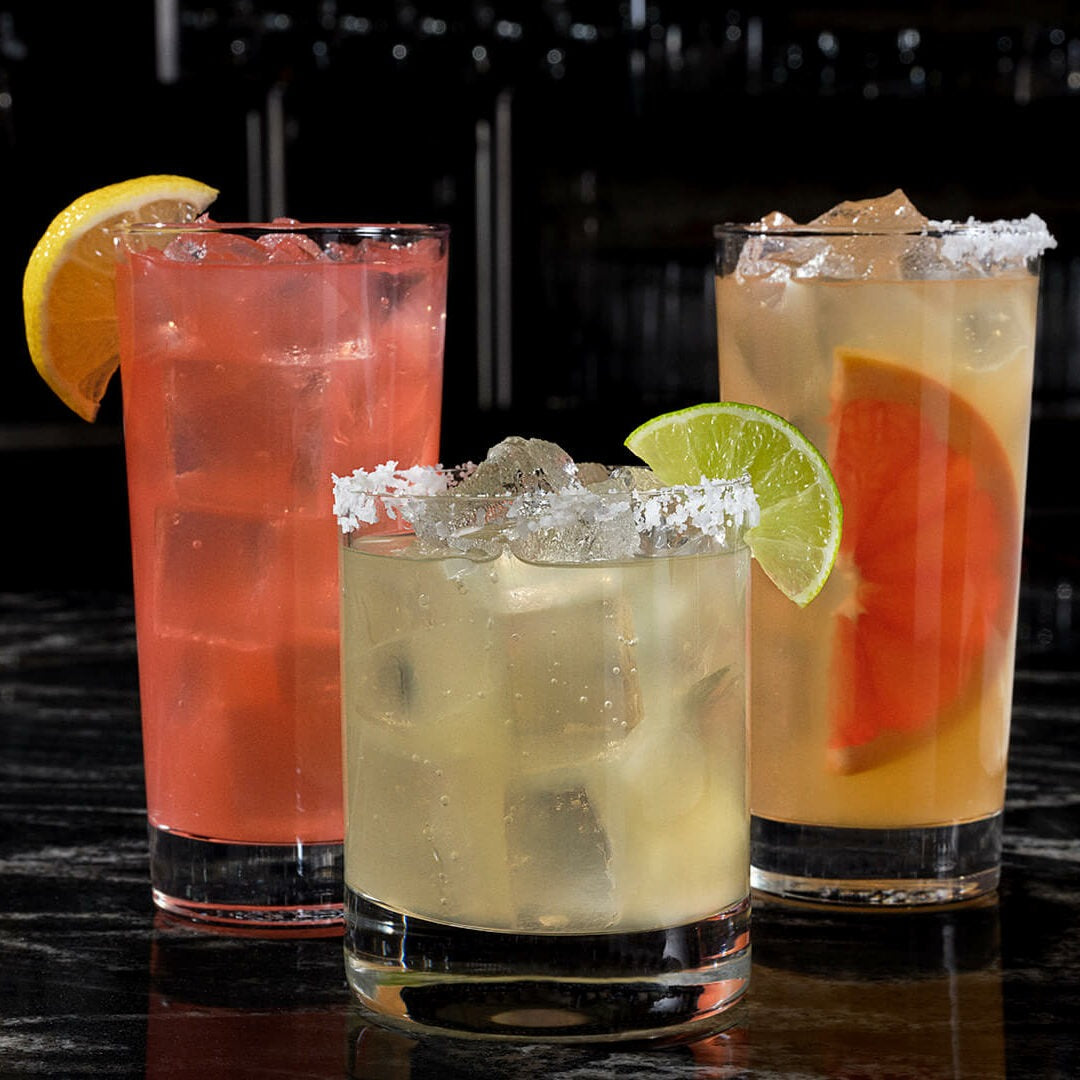
The drinks that make you the most money, margaritas and espresso martinis, are the same ones that stall service when the bar is five deep. Every hand-built serve costs 60 to 90 seconds of a bartender's attention: measure, shake, strain, garnish, reset. Multiply that by a Friday night and the bottleneck is not your staff, it is the format. Meanwhile the quality drifts shift to shift, because your lead bartender and your newest weekend hire do not pour the same drink.
How Craft Standard fixes it
Seal one spec in a keg and pull it from a tap you already run. The keg arrives non-alcoholic and shelf-stable with the cocktail pre-balanced; you add the spirit you already stock, connect to the Sankey D coupler on your existing beer line, and pour. No build, no drift, no bottleneck. Every serve leaves the tap identical, first pour to last, at a pour cost near 8 percent.
Why it works for bars.
Pour as fast as beer
A finished cocktail in seconds instead of a 90-second build. Keep the line moving through the busiest window of the shift.
One recipe, every shift
The spec is sealed in the keg, so the drink is the same whether it is your lead bartender or a first-weekend hire pouring it.
Earn the handle
Turn a slow or empty handle into the most profitable pour on the wall. Every handle earns a fixed return per keg; choose the keg that earns most.
Your spirit, your margin
You add the spirit, so the brand, the proof and the pour-cost math stay in your favor. Roughly $11.04 profit per drink at a $12 menu price.
Bars: questions.
Do we need to change our draft system?
No. Craft Standard kegs connect to a standard Sankey D coupler on your existing beer line. No new lines, no glycol, no build-out.
Which cocktail should we put on tap first?
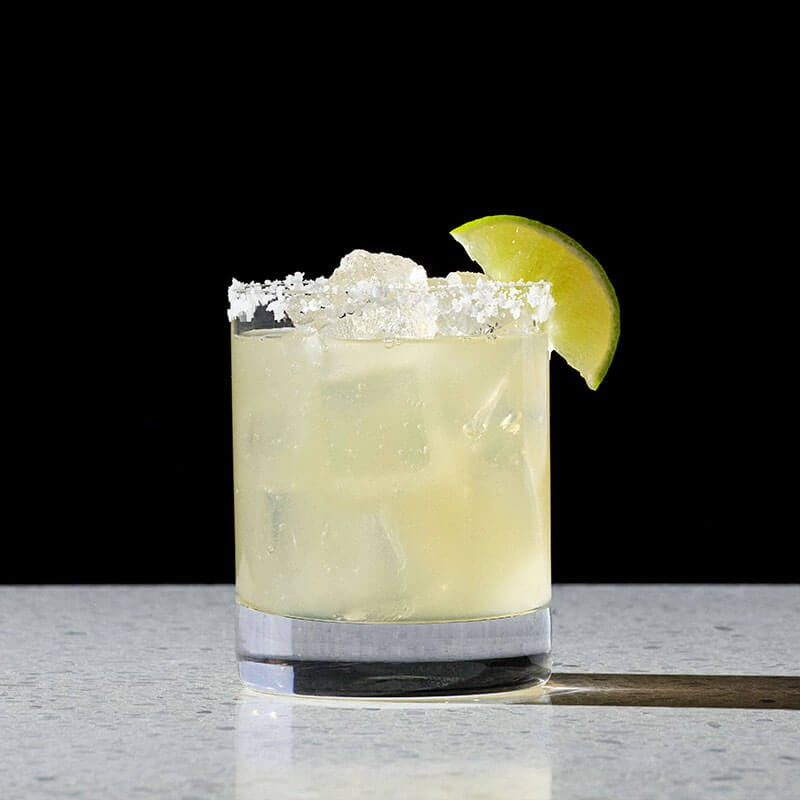
Whichever one slows you down most. The Margarita is the most common first handle because it is the highest-demand, slowest-build drink on most menus.
How fast is a pour?
About as fast as a beer pull: a few seconds, then garnish and serve.
Whose alcohol is in the drink?
Yours. The keg ships non-alcoholic; you add the spirit you already stock. That keeps the liquor licensing simple and the margin decision in your hands.
How do we clean the line?
Same process and schedule as a beer line. No new procedure to train.
What does one keg return?
A $155 keg plus roughly $81 of your own spirit is about $236 all-in and pours around 245 drinks. At $12 a drink that is roughly $2,940 in revenue at a pour cost near 8 percent.
Put your bottleneck drink on tap.
Tell us the drink slowing your bars operation down. We'll map the right keg and setup.